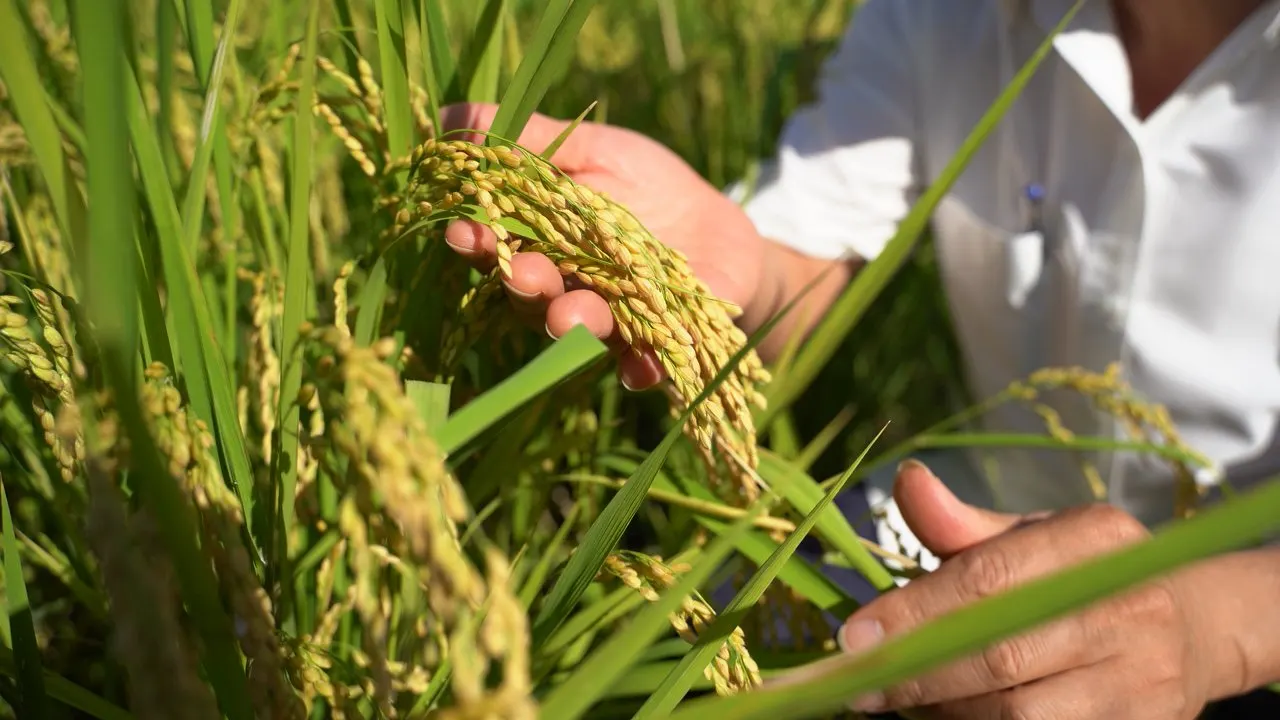

Close-up of ripe rice in the field
Home / Solutions / By crop
NUTRITION SOLUTIONS

Healthy soil. Healthy crops.
More productive farming.

Every crop and every soil has different nutrient needs. Tiến Nông builds crop care programmes based on analysis of the soil, climate, region and the growth characteristics of each crop.

BY CROP

A dedicated nutrition solution for each crop group

Each crop has its own nutrient needs, which change with growth stage, soil, climate and production goals. Tiến Nông builds crop care and nutrient management solutions around the crop's characteristics, its nutrient demand and soil assessment results, helping improve fertiliser efficiency, yield and produce quality.

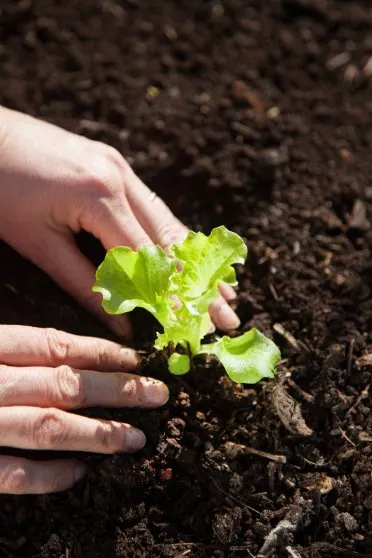
Hands holding soil with a seedling
PROCESS

Soil is the foundation of agricultural production

01
Assess soil and crop
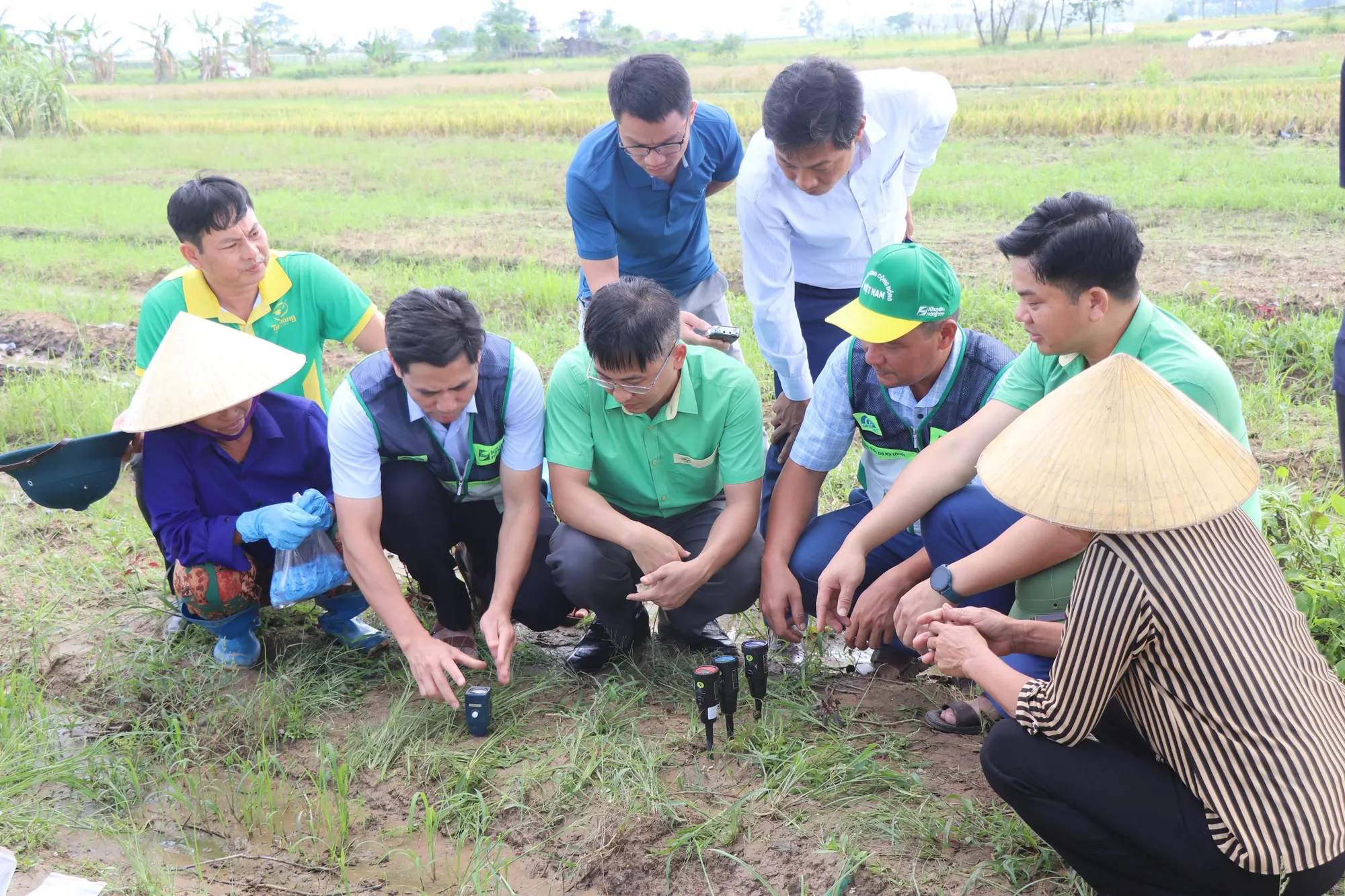
Survey the field, take soil samples and analyse the relevant indicators; check the crop's growth.
02
Identify needs and limiting factors
Assess soil characteristics, variety, growth stage, water supply and yield target.
03
Design the technical solution
Propose soil improvement, water management and balanced nutrition; select the right fertilisers.
04
Monitor and evaluate results
Track growth, yield, quality and economic returns; adjust the solution based on actual results.
FIELD RESULTS

Solutions proven in the field

Rice demonstration
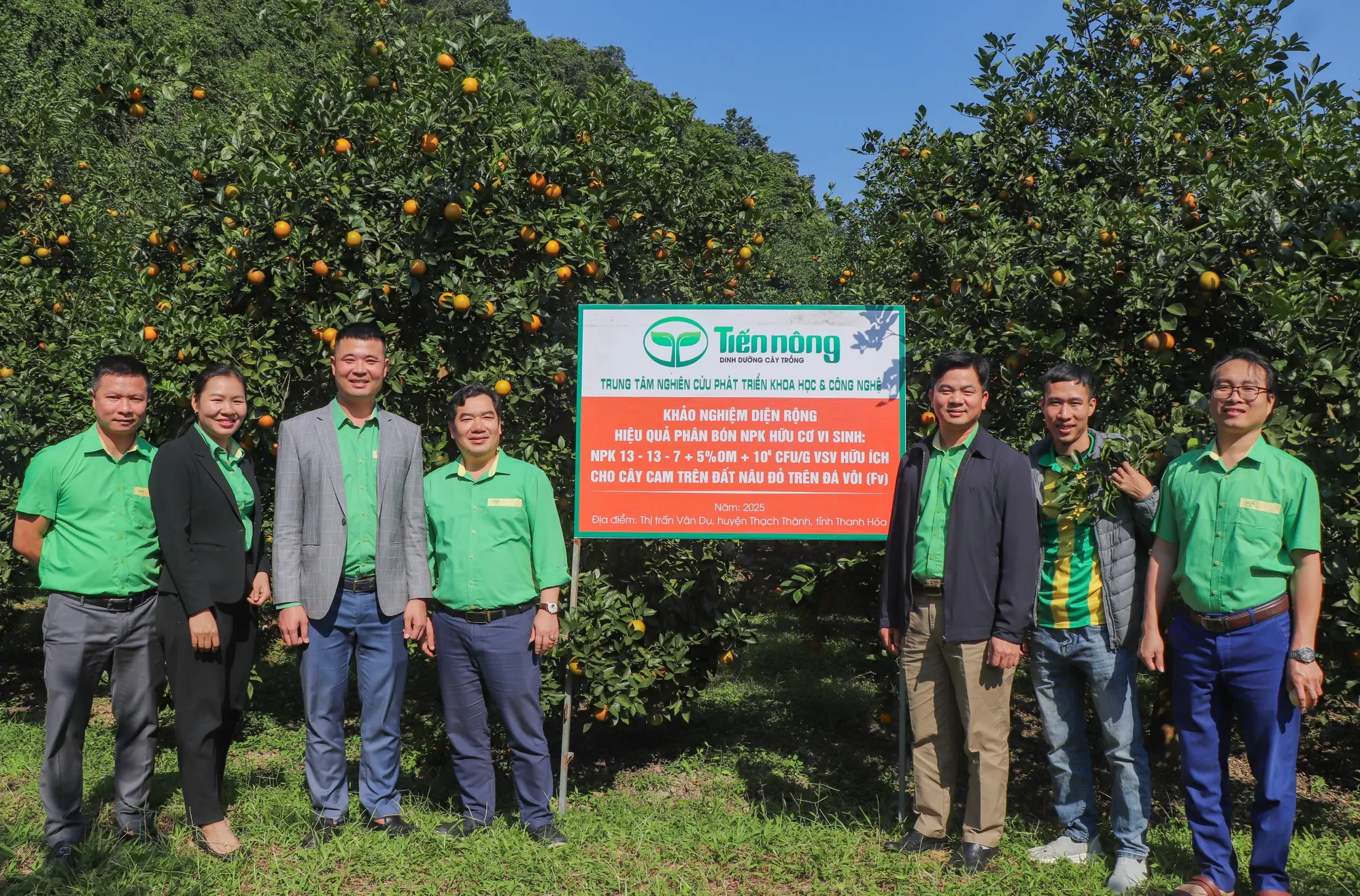
ORANGE · THANH HÓADemonstration of NPK 15-3-15+10%OM +10⁶ CFU/g beneficial microorganisms on orange trees
+30,835 kg/ha
yield
4,000 m²
area
Coffee demonstration
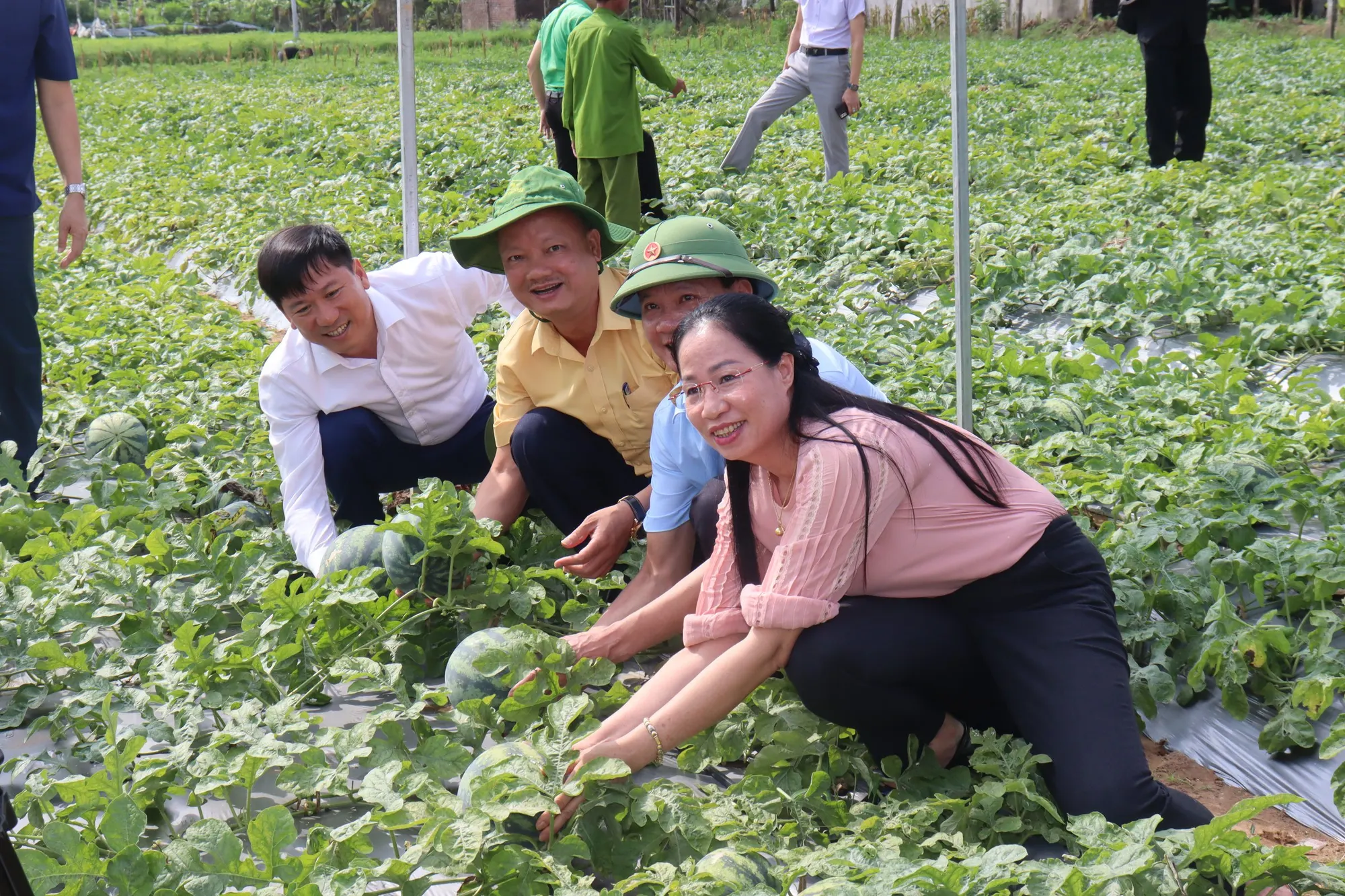
WATERMELON ·Demonstration of the bio-organic NPK fertiliser set on Thiên Vũ watermelon
+33 tonnes/ha
yield
10.4 ha
area
Fruit tree demonstration
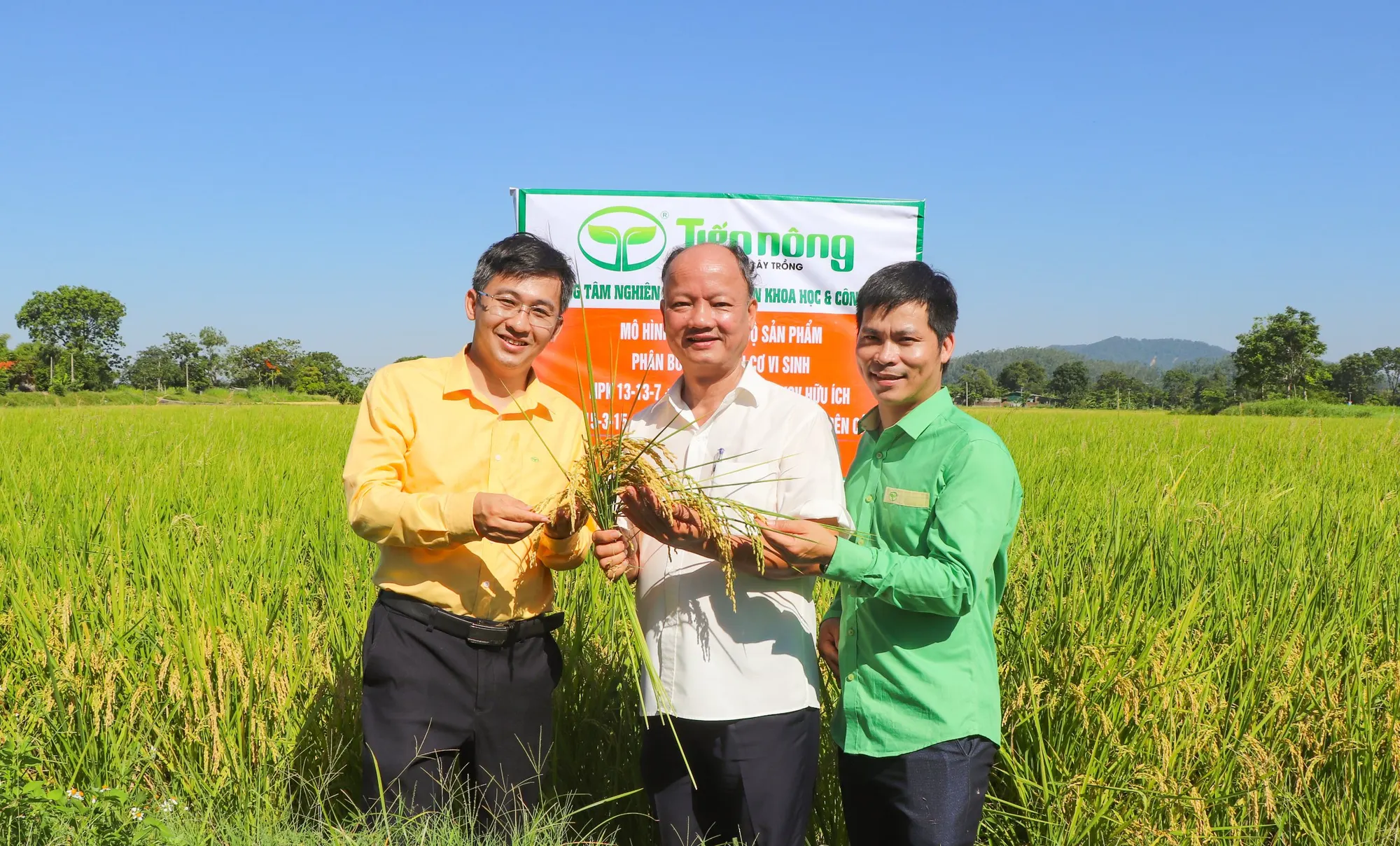
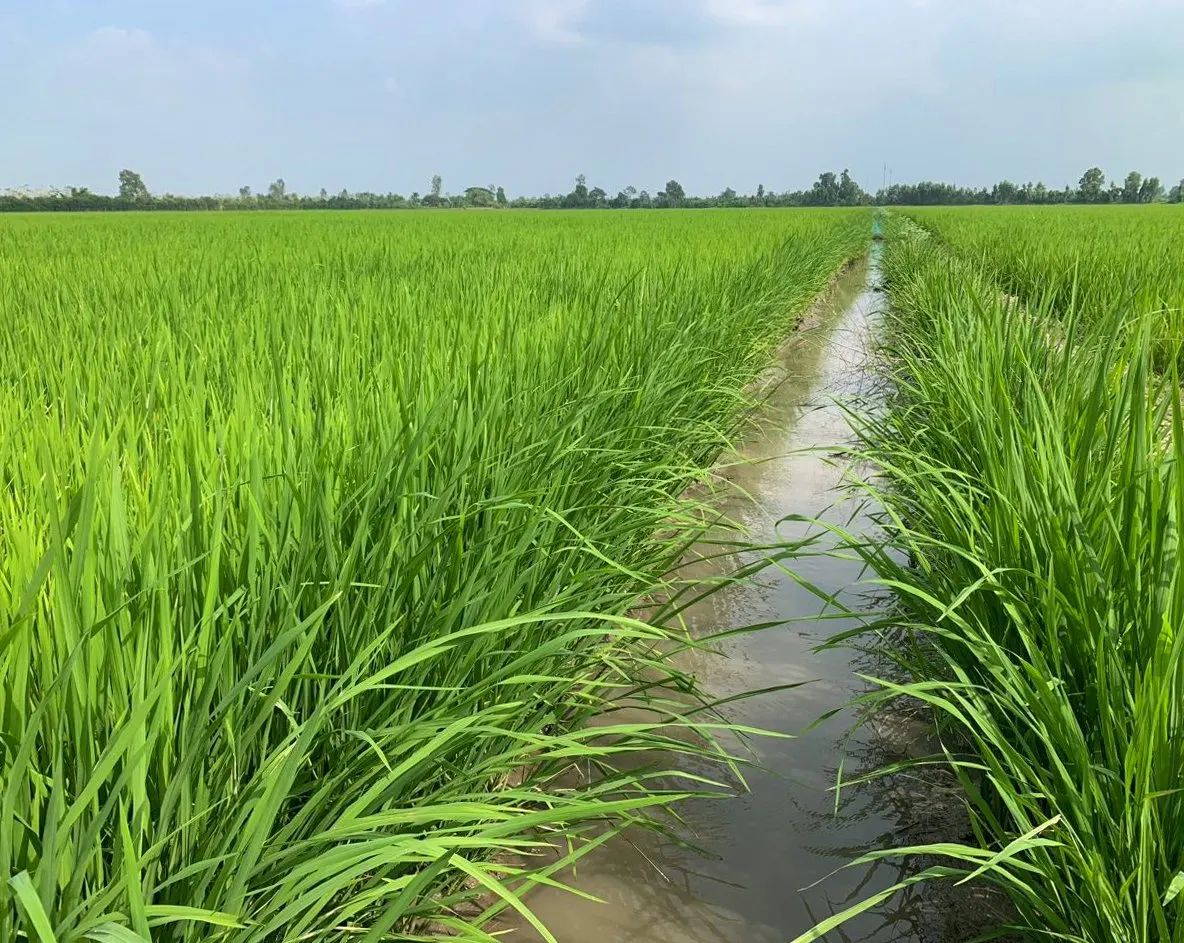
RICE · THANH HÓADemonstration of the bio-organic NPK fertiliser set on TBJ3 rice
+14,790 kg/ha
yield
5 ha
area
DIAGNOSE THE RIGHT PROBLEM

Common problems and solutions

Every problem in the field has a scientific cause. Only by understanding why can we choose the right solution.

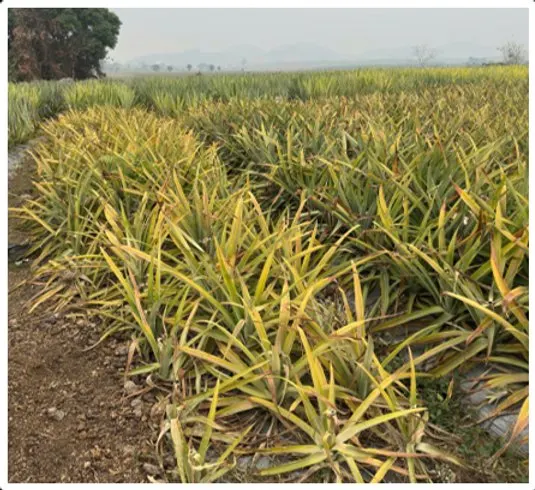
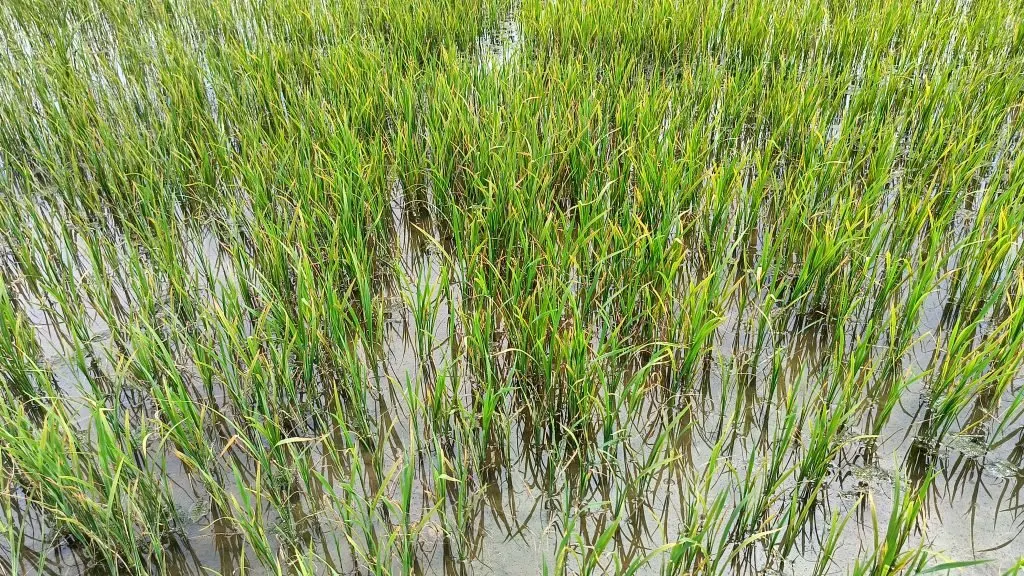
Rice field with organic toxicity: yellow leaves, blackened roots
1PROBLEM

Organic toxicity in rice

15–25 days after transplanting or sowing, rice grows slowly, leaves turn yellow and tillering is poor. Pulled-up plants show dark, blackened roots with few white roots and a foul smell; gas bubbles rise from the field.
2WHY?
  • Straw, stubble and undecomposed organic manure buried in flooded fields break down without oxygen (anaerobically).
  • This produces toxic H₂S and CH₄ gases and organic acids, while soluble iron (Fe²⁺) builds up to excess.
  • Rice roots are poisoned, blackened and rotting, and cannot take up nutrients, so leaves yellow even when enough fertiliser has been applied. Hot, sunny weather makes the process faster and more severe.
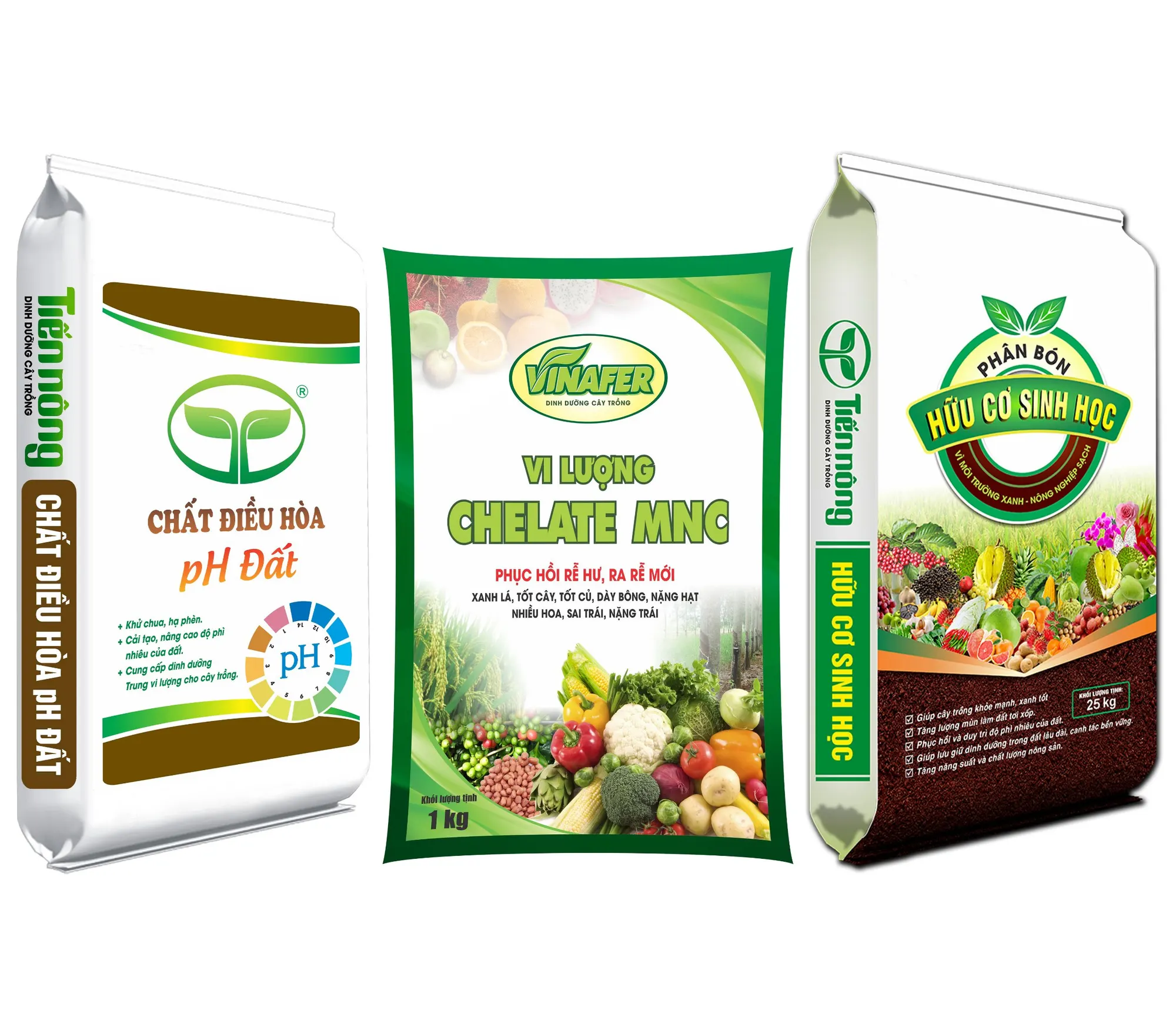
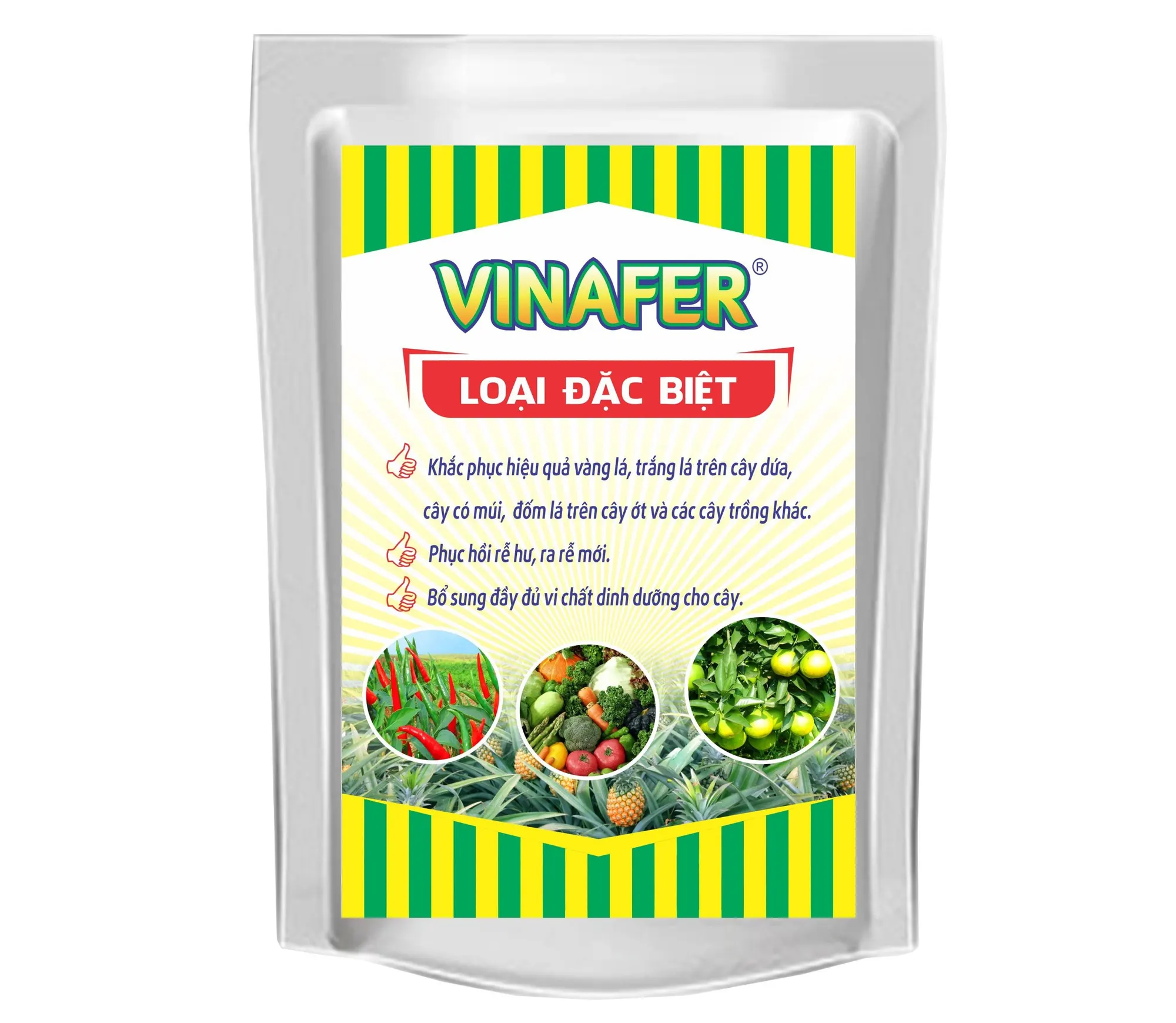
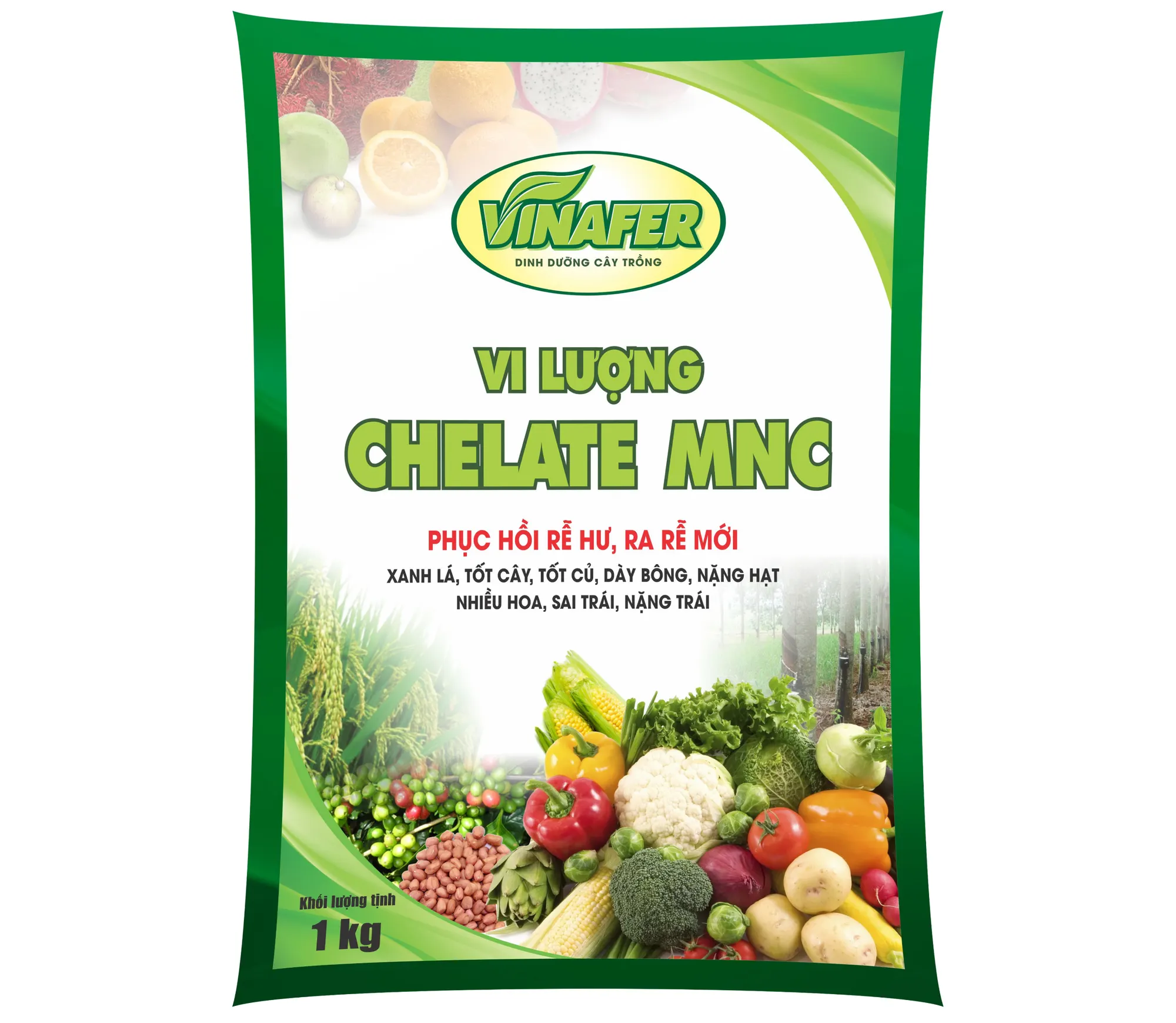
Tiến Nông Vinafer packaging
Product packaging
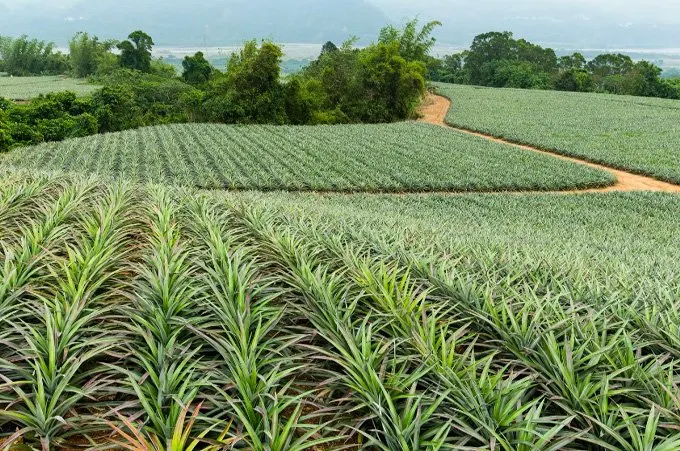
Rice field green and healthy again after treatment with Vinafer
Results in the field
3TIẾN NÔNG SOLUTION

Tiến Nông Vinafer

Drain the field, let it dry lightly for 2–3 days and stir the mud to release the toxic gases. Then apply Vinafer – an easily absorbed chelated micronutrient fertiliser that helps rice quickly put out new white roots, regreen and tiller strongly.

FIND A SOLUTION

Find the right solution for each crop

1. Crop
2. Current problem
INITIAL RECOMMENDATION

Rice · want higher yields

01Base decisions on soil analysis
02Follow Tiến Nông's balanced fertilising programme
03Monitor and adjust with an agronomist throughout the season
This is general guidance. A Tiến Nông agronomist will advise specific rates for your actual soil and variety.
FAQ

Technical questions & answers

Browse by topic or search by keyword on soil, crops and fertiliser use. For advice on a specific field, call a Tiến Nông agronomist.

A Tiến Nông engineer answers farmers' questions in the field

Specialised solutions for golf courses, landscapes and industrial parks

Tiến Nông designs a dedicated nutrition programme for each project.